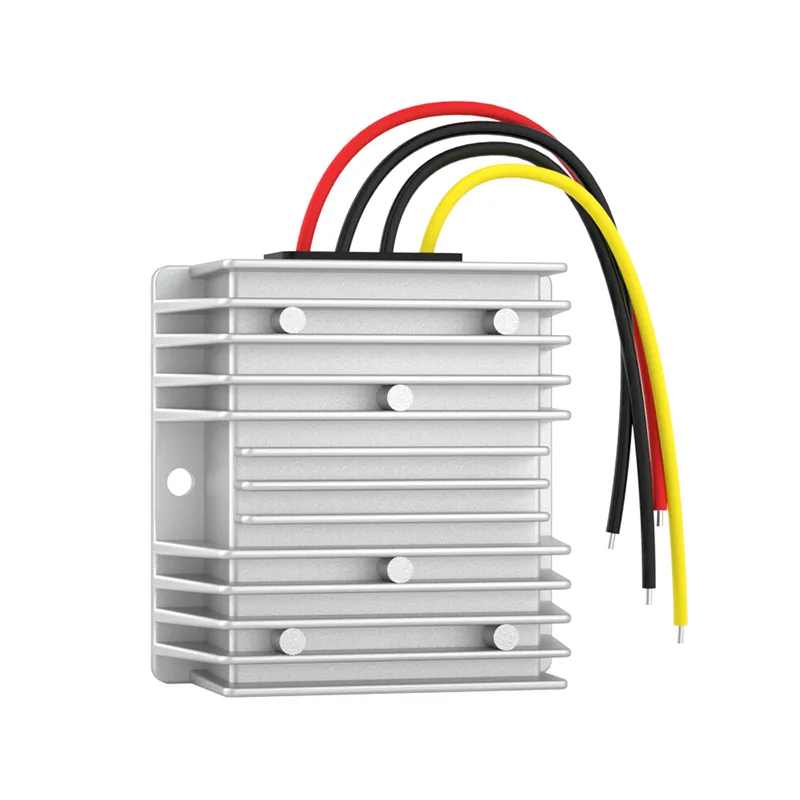
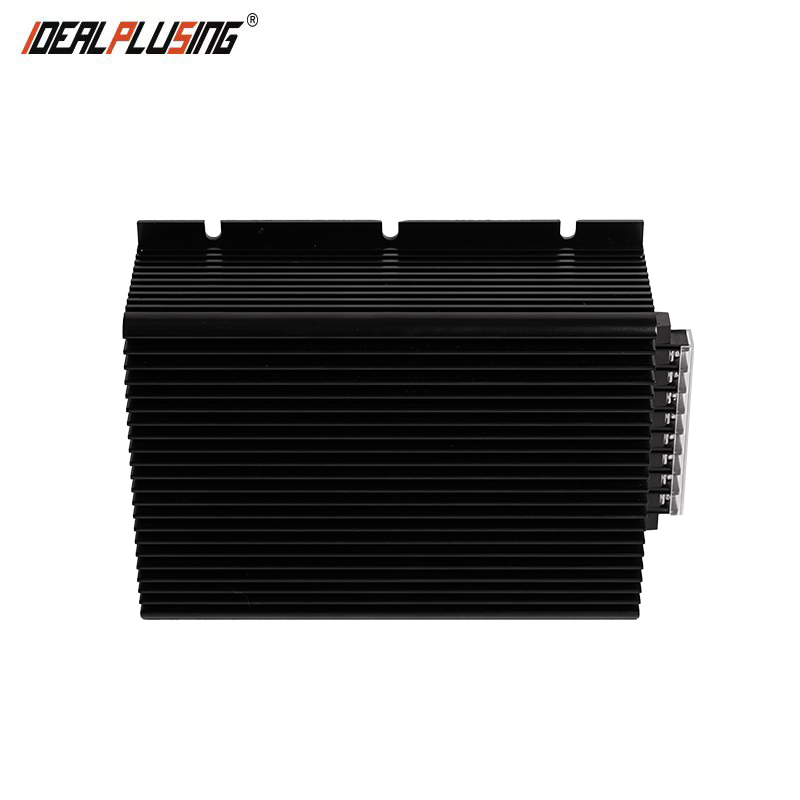
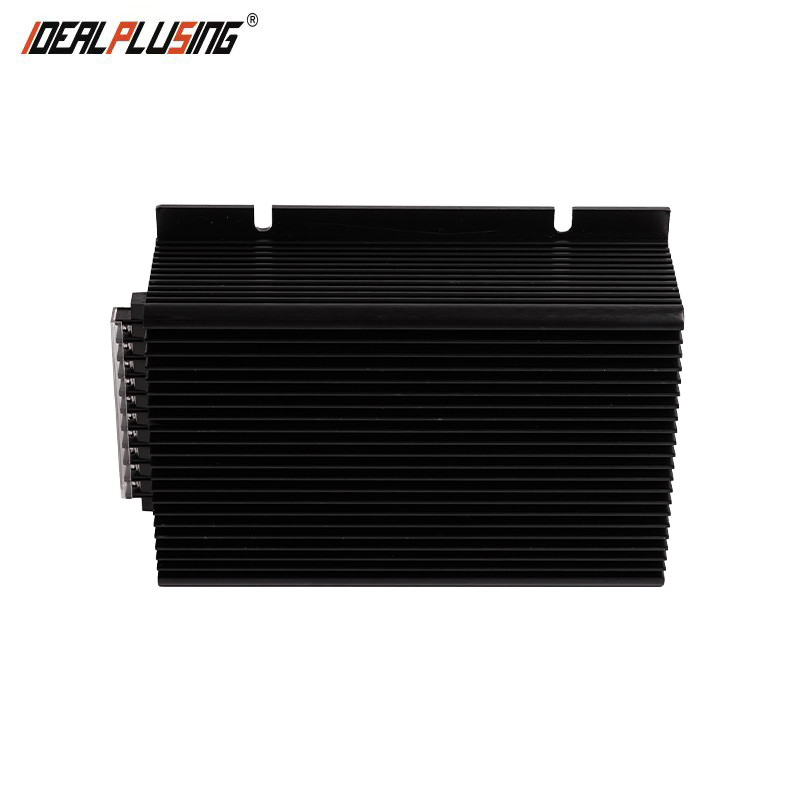
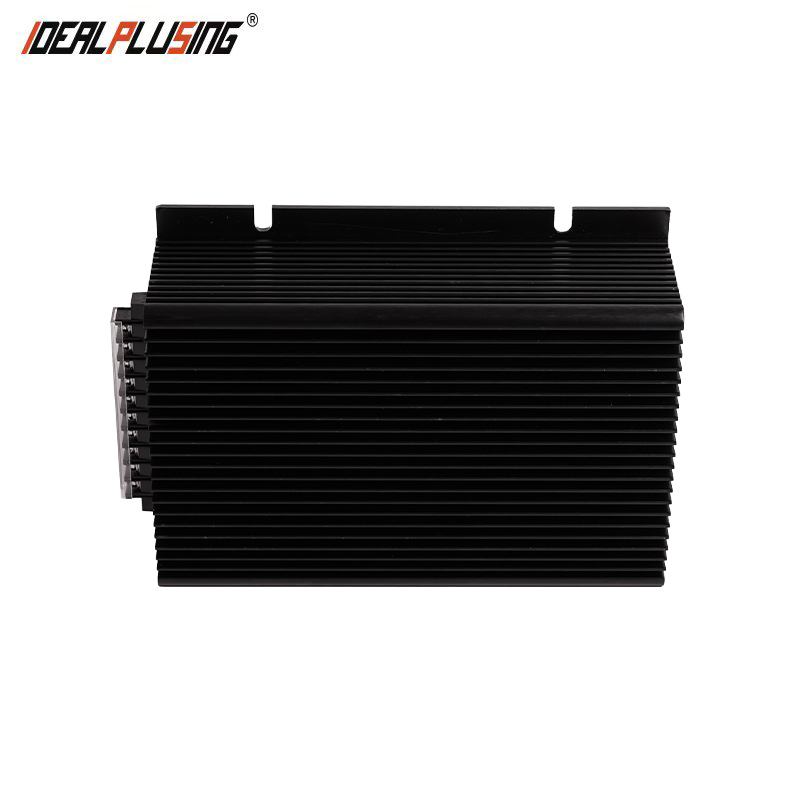
In the field of electronic technology and power electronics, the buck converter is a vital device. With its unique functions and efficient working principle, it is widely used in various electronic equipment, communication equipment, automotive electronics, industrial automation and other fields. This article introduces the working principle and its application in various fields.
Working principle of buck converter
The working principle of buck converter is based on the working principle of inductor and switch tube. It uses the on-off control of switch tube to make the inductor store energy, and then output the energy through capacitor to achieve voltage reduction. Specifically, the working process of buck converter can be divided into the following stages:

Charging stage: When the switch tube (usually semiconductor components such as BJT, MOSFET or IGBT) is turned on, the input power charges the inductor. At this time, the current in the inductor gradually increases and stores electrical energy.
Discharging stage: When the switch tube is turned off, the current in the inductor cannot disappear immediately, but continues to flow. At this time, the energy in the inductor supplies power to the load through the diode (freewheeling diode), and the capacitor also starts to charge and store energy.
Filtering stage: After the discharge stage, the energy in the capacitor is filtered and stabilized by the filtering circuit (usually composed of capacitors and inductors). This can eliminate ripples and noise in the output voltage, making the output voltage more stable and reliable.
By repeating the above process, the buck converter can achieve continuous and stable voltage output. In this process, the on-off control of the switch tube is the key. It determines the time of inductor charging and discharging and the energy transfer process. In order to obtain better performance and efficiency, buck converters usually use advanced control strategies such as PWM (pulse width modulation) or PFM (pulse frequency modulation) to optimize the on-off control of the switch tube.

Application of buck converters
Buck converters are widely used in various fields, including electronic equipment, communication equipment, automotive electronics, industrial automation, etc. In electronic equipment, buck converters are used to provide stable low-voltage power supply for various chips, modules and circuits; in communication equipment, it is used to provide high-quality power supply for various communication equipment; in automotive electronics, it is used to provide stable power support for on-board electronic equipment; in industrial automation, it is used to provide reliable power supply for various industrial equipment and systems.